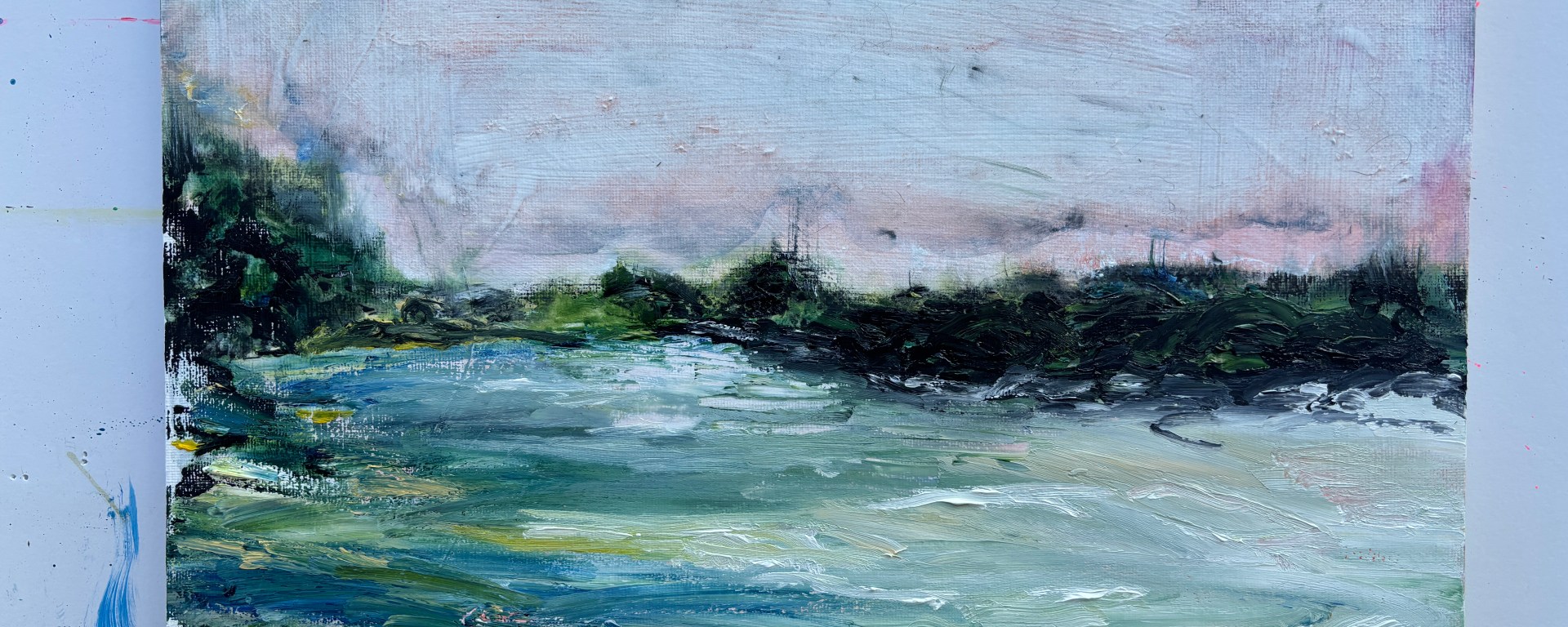
The local river can be a weighty beast. After moving sedately for months, it transforms into a juggernaut and, aided and abetted by the moon, hurtles inland and spreads itself over parts of the bank it usually leaves alone. Then it storms out again.
This makes it interesting in the way a living creature is interesting because, due to the tides, its nature changes every second of every minute of every hour of every day of every month of the year. And this is likely to become more pronounced as climate change impacts sea levels. At present, there’s quite a lot of flood plain between the water and the people, but it wouldn’t have to rise much to flood the high street.
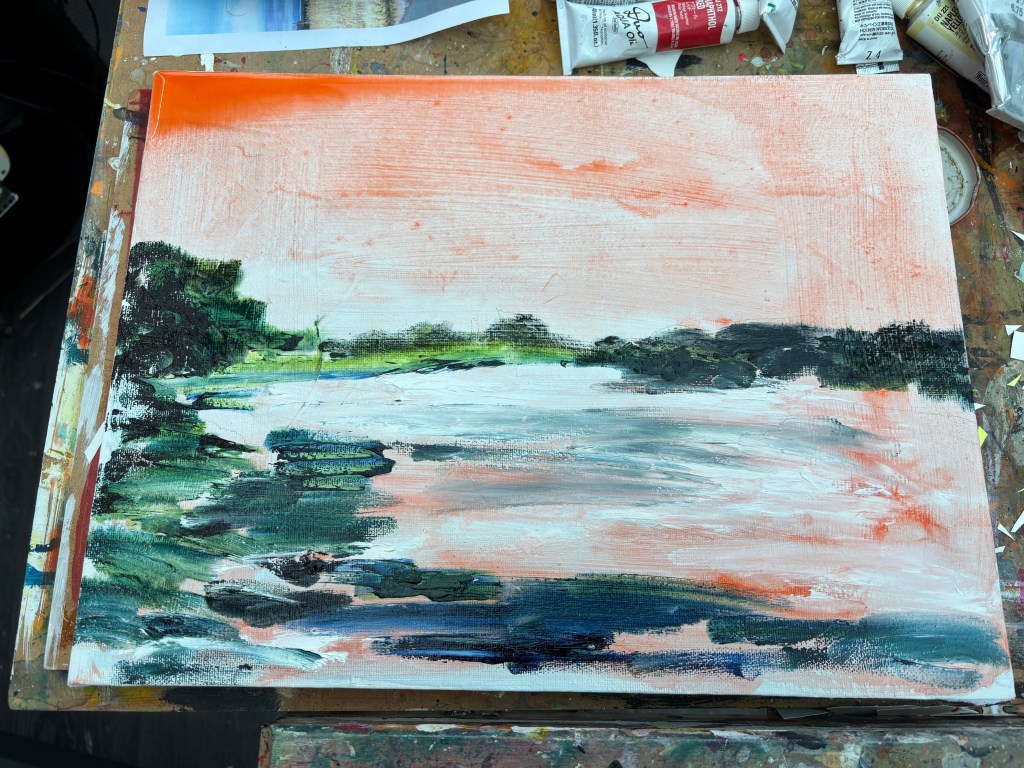
Water-soluble oils on 40x30cm canvas. Not eligible.
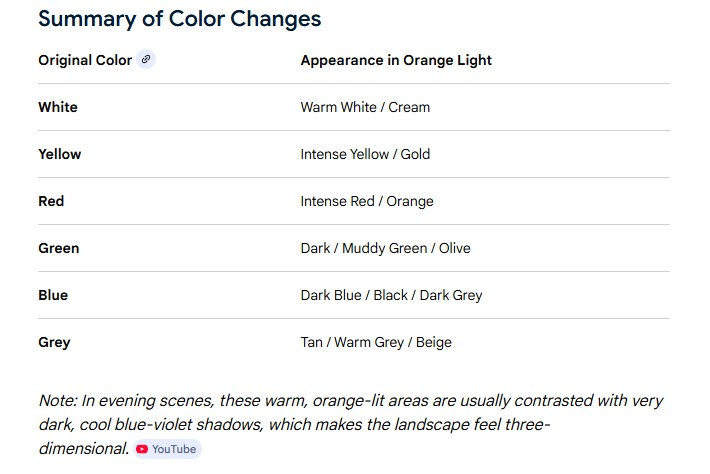
For consistency, this canvas was first flooded with dilute paint (water soluble oils, appropriately enough) and the other marks made with my fingers. I’m beginning to think this gives me more connection to the materials and probably also stops me from dropping down detailing rabbit holes. I like the toxic sky but the banks need to be muted and for that, I need to find out what that sort of light would do to those colours.
Apparently, this happens (via Wikipedia):
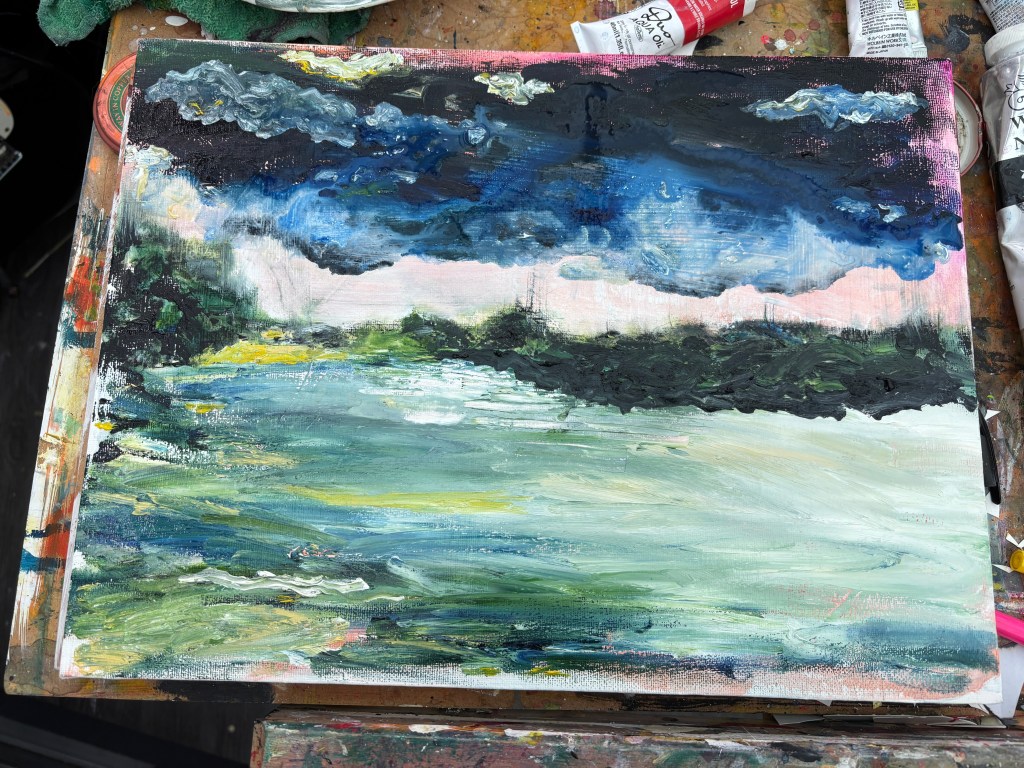
This stage (above) illustrates the point where what went before was considerably better than what’s there now, but still represents a step forward. In this instance, it’s the upward flow of pigment from the green foliage towards the sky. Tiny filaments of leaked colour that suggest gravity is having a hiccup in this world. It may not last, or the story it creates may not.
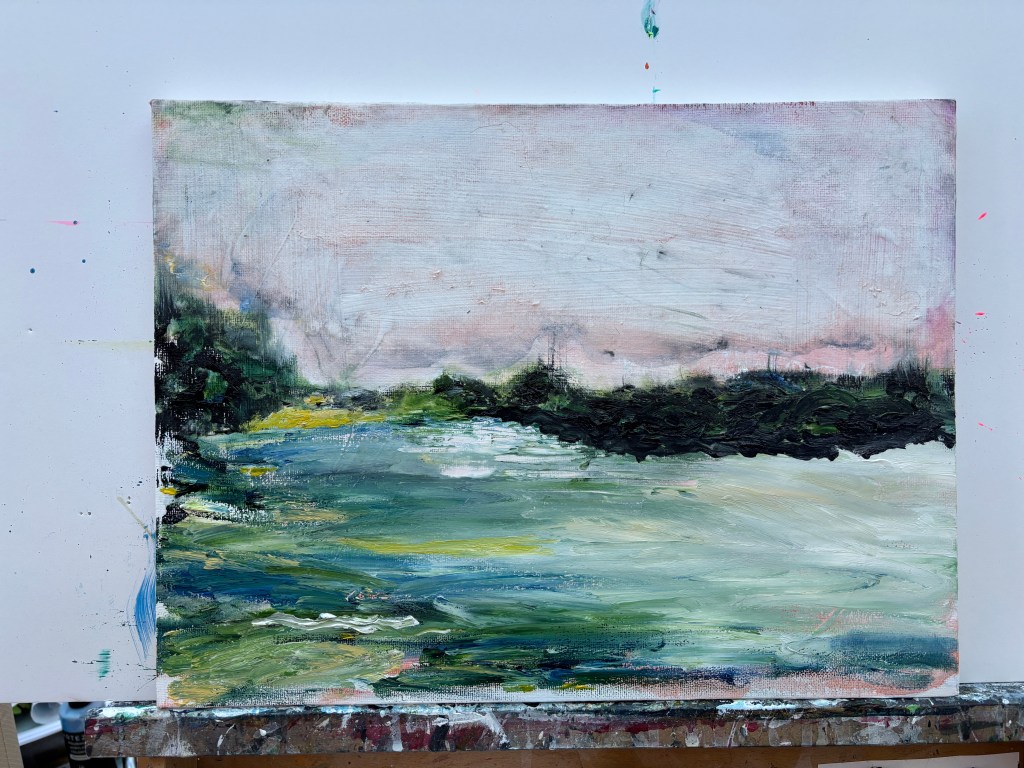
This is the next and final iteration, all the bright blue scrubbed back to reveal a muddy pink sky and, with added water, some drift in its shapes and colours. I spent quite a lot of time on the flow of the water, discovering in the process that painting with my fingers is a far better technique than with brushes. I get much closer to the feel of the paint and the texture of the support and, in the course of making changes to the river flow, found that I had a more diverse array of tools on my hand than I’d realised, fingernails making quite a good stylus.
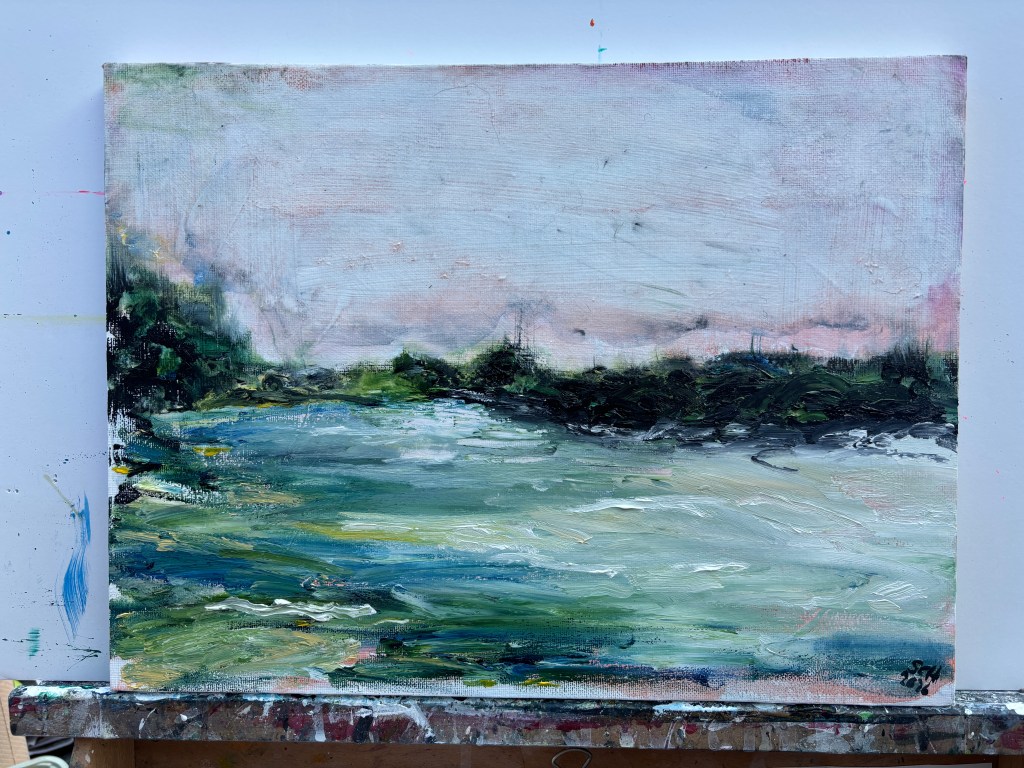
The day after I’d all but finished this, I saw on this river a phenomenon that only becomes noticeable when you’ve gained some understanding of the impact gravity has on moving water. The tide was going out, the water following it towards the sea, but the wind direction was coming from the south, thereby pushing against the outflow. The result was little standing waves with crests in the direction you’d expect for incoming. Where this is caused by two conflicting currents, as in the Duluth canal in the US, it’s called a seitche, but I can’t guarantee it’s the same when it’s water v wind.
Post script (and because people often remark on this): the colour of the water is due to the river scouring the sides of its banks and dredging the sediment at the bottom for several miles in two different directions four times a day. It isn’t yet as clean as it could be; we’ve reportedly had leaks into drainage from adjacent farmland, but it’s much better, and there are copious fish.
© Suzanne Conboy-Hill 2026
 Strayfish Arts